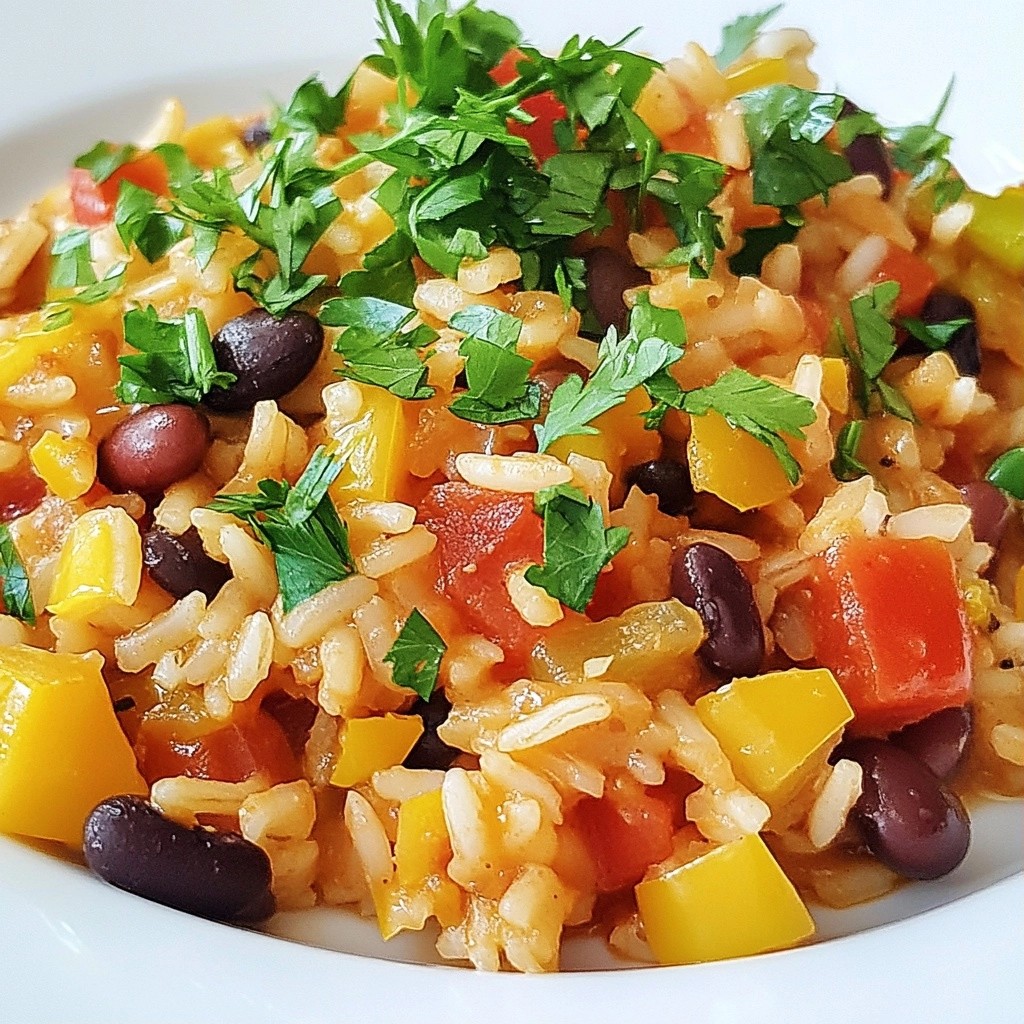
Looking to whip up a warming meal that’s both delicious and healthy? This Hearty Batch Cook Vegetable and Bean Jambalaya Recipe is your answer! With rich flavors and a rainbow of veggies, this dish is perfect for meal prep or cozy dinners. I’ll guide you through easy steps and share handy tips to make sure every batch turns out great. Let’s dive in and get cooking!
Why I Love This Recipe
- Flavorful and Hearty: This jambalaya is packed with a variety of vegetables and beans, making it a satisfying meal that is full of flavor.
- Easy to Prepare: With simple ingredients and straightforward steps, this dish is perfect for both novice and experienced cooks alike.
- Meal Prep Friendly: Great for batch cooking, this jambalaya stores well in the fridge or freezer, making it a convenient option for busy weeks.
- Customizable: You can easily modify the ingredients based on your preferences or what you have on hand, allowing for endless variations.
Ingredients
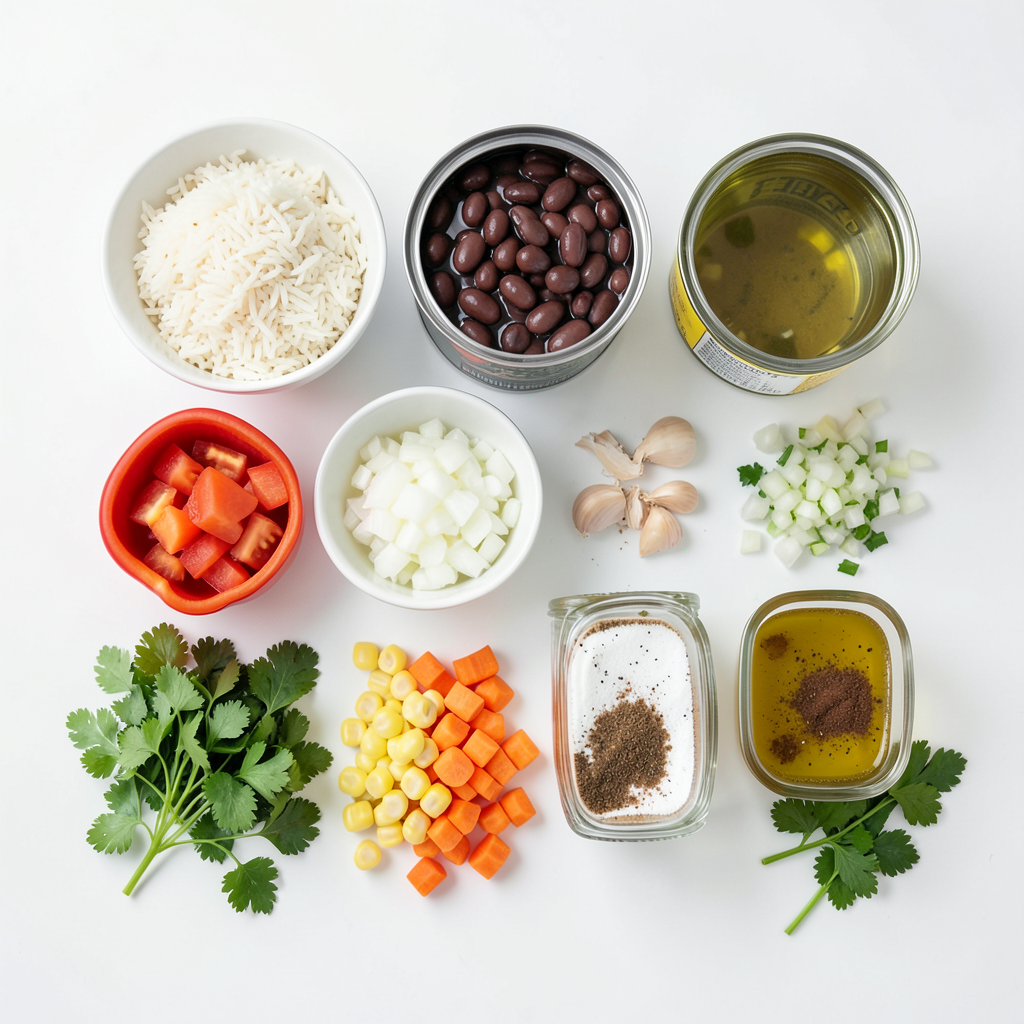
Essential ingredients for Vegetable and Bean Jambalaya
To make a great Vegetable and Bean Jambalaya, you'll need:
- 1 cup long-grain rice (white or brown)
- 1 can (15 oz) black beans, drained and rinsed
- 1 can (15 oz) kidney beans, drained and rinsed
- 1 can (14 oz) diced tomatoes, with juices
- 1 large onion, diced
- 2 cloves garlic, minced
- 1 bell pepper (red or green), diced
- 1 cup frozen corn
- 2 carrots, diced
- 2 celery stalks, diced
- 2 cups vegetable broth
- 1 tablespoon olive oil
- 1 tablespoon Cajun seasoning
- 1 teaspoon smoked paprika
- Salt and pepper to taste
- Chopped fresh parsley, for garnish
These ingredients combine to create a hearty and flavorful dish. The beans provide protein, while the vegetables add color and texture.
Suggested substitutes for certain ingredients
If you can't find some ingredients, don't worry! Here are some good substitutes:
- Long-grain rice: Use quinoa or brown rice for more fiber.
- Black beans: Pinto beans work well too.
- Diced tomatoes: Use fresh tomatoes or tomato sauce if needed.
- Bell pepper: Any color of bell pepper is fine; you can also use zucchini.
- Frozen corn: Fresh corn on the cob can be used in season.
These swaps keep the jambalaya tasty while using what you have on hand.
Additional flavor boosters to consider
To take your jambalaya to the next level, try these flavor boosters:
- Add a squeeze of lemon juice for brightness.
- Toss in some chopped jalapeños for heat.
- Use fresh herbs like thyme or oregano for extra taste.
- A dash of hot sauce can kick up the flavor.
Experimenting with these extras can make your jambalaya even more special. Enjoy creating your own unique version!
Step-by-Step Instructions
Preparing the vegetables and sautéing
Start by heating the olive oil in a large pot or Dutch oven over medium heat. Once it’s hot, add the diced onion, bell pepper, and celery. Sauté these veggies for about 5-7 minutes until they soften. This step builds a nice base for our jambalaya.
Next, stir in the minced garlic, diced carrots, and frozen corn. Sauté for an extra 2-3 minutes. You want the garlic to smell great and the carrots to soften a bit. This mix adds color and flavor to the dish.
Cooking the rice and combining with beans and spices
Now it’s time to add the rice. Stir it well with the veggies, toasting it for about 1-2 minutes. This helps the rice soak up all the good flavors.
Pour in the can of diced tomatoes, juice and all, along with the vegetable broth. Mix in the drained black beans and kidney beans next. Then, add the Cajun seasoning, smoked paprika, salt, and pepper. This combination of spices gives the dish its hearty, bold taste.
Bring the mixture to a boil. Once it bubbles, reduce the heat to low. Cover the pot and let it simmer for about 25-30 minutes. The rice should cook through and absorb most of the liquid.
Final simmering and fluffing the jambalaya
After cooking, remove the pot from the heat and let it sit for about 5 minutes. This resting time helps the flavors meld even more. Then, fluff the jambalaya with a fork. Taste it and adjust the seasoning if needed.
Serve the jambalaya hot, garnished with chopped fresh parsley for a pop of color. Enjoy every bite of this warm, filling dish!
Tips & Tricks
Best practices for batch cooking Jambalaya
When batch cooking jambalaya, use a large pot. This helps cook evenly. Always prepare your ingredients first. Chop the veggies and rinse the beans. This saves time when you start cooking. Make sure to measure your rice and liquids. A good ratio is 1 cup of rice to 2 cups of broth. Stir well to avoid clumping. Let the dish simmer without lifting the lid. This keeps the steam in and helps the rice cook perfectly.
How to enhance the flavors
To boost flavors, use fresh herbs. Add chopped parsley just before serving. You can also mix in a splash of hot sauce for heat. A squeeze of lemon juice brightens the dish. Try adding more Cajun seasoning for a spicier kick. Toasting the rice before adding the liquid adds depth. Make sure to taste as you cook. This helps you adjust spices to your liking.
Common mistakes to avoid while making jambalaya
One mistake is not sautéing the vegetables long enough. Soft veggies bring out better flavors. Don’t skip the toasting step for the rice. This helps it absorb flavors. Avoid overcooking the rice. It should be tender but not mushy. If you add too much liquid, the dish will be soupy. Always stick to the right broth-to-rice ratio. Finally, don’t forget to adjust seasoning at the end. This gives your jambalaya that final touch of flavor.
Pro Tips
- Use Fresh Ingredients: Fresh vegetables and herbs enhance the flavors of the jambalaya, making it more vibrant and delicious.
- Adjust Spice Level: Feel free to adjust the amount of Cajun seasoning based on your spice tolerance; you can also add hot sauce for extra heat.
- Let It Rest: Allowing the jambalaya to rest for a few minutes after cooking helps the flavors meld together, resulting in a tastier dish.
- Batch Cooking: This recipe is perfect for batch cooking; make a double batch and freeze portions for quick meals later.
Variations
Adding proteins for a heartier dish
You can make your jambalaya even heartier by adding proteins. Cooked chicken, sausage, or shrimp works well. If you like, add tofu or tempeh for a twist. Just cook the protein first, then mix it in with the rice. This makes a filling meal.
Vegan and gluten-free options
This jambalaya is already vegan and free of gluten. The beans provide great protein. If you need to swap, check your broth. Some broths may contain gluten. Always read the labels. You can also try adding chickpeas for extra texture and flavor.
Spice levels and flavor variations
You can adjust the spice in your jambalaya easily. If you like heat, add cayenne pepper or hot sauce. For a milder taste, simply skip the spicy ingredients. You could also play with herbs like thyme or oregano for a different flavor. Try adding some lime juice for a fresh twist!
Storage Info
How to properly store leftover Jambalaya
To keep your Jambalaya fresh, let it cool first. Store it in an airtight container. You can keep it in the fridge for up to four days. Make sure to label the container. This way, you won't forget when you made it!
Reheating instructions for best results
When you're ready to eat leftover Jambalaya, the microwave is quick and easy. Place your portion in a bowl and add a little water. Cover it with a damp paper towel. Heat for about two minutes, stirring halfway through. You can also reheat it on the stove. Just add a bit of vegetable broth and heat over low. Stir until warm.
Freezing tips for long-term storage
If you want to save Jambalaya for later, freezing is a great option. Allow it to cool completely. Then, portion it into freezer bags or containers. Be sure to remove as much air as possible. This helps prevent freezer burn. It can last up to three months in the freezer. When you’re ready to eat it, thaw in the fridge overnight before reheating. Enjoy your delicious meal anytime!
FAQs
How long does Jambalaya last in the fridge?
Jambalaya lasts about 3 to 5 days in the fridge. Store it in an airtight container. This keeps it fresh and safe to eat. Always let it cool before putting it away. Check for any odd smells or changes in color before eating leftovers. If it looks or smells wrong, toss it out.
Can I make this Jambalaya ahead of time?
Yes, you can make this Jambalaya ahead of time. It’s a great dish for meal prep. Making it a day or two in advance lets the flavors mix well. Just cool it down and store it in the fridge. When you're ready to eat, simply reheat on the stove or microwave. It tastes even better after a day!
What can I serve with Vegetable and Bean Jambalaya?
You can serve Jambalaya with many sides. A simple green salad adds a nice crunch. Cornbread or crusty bread pairs well too. For a refreshing touch, try serving it with lime wedges. You could also enjoy it with avocado slices or sour cream. Each of these sides complements the flavors of the Jambalaya.
In this post, we covered how to make a flavorful Vegetable and Bean Jambalaya. We explored essential ingredients and substitutes, as well as tips for cooking and storing leftovers. Remember to avoid common mistakes and try different variations to keep it exciting. Jambalaya is versatile, so feel free to customize it. With these steps, you can make a tasty dish every time. Enjoy your cooking journey!