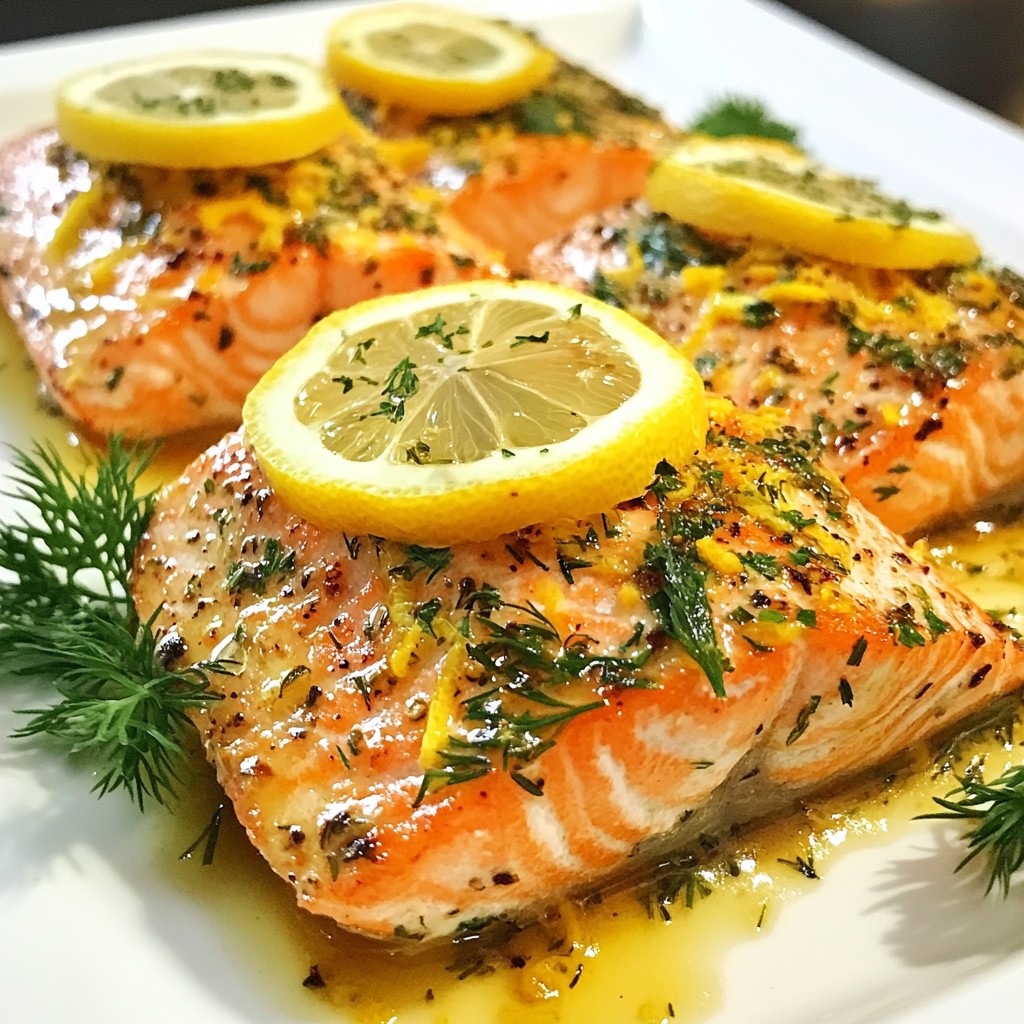
Looking for a quick, tasty meal? You’ve come to the right spot! My Lemon Herb Roasted Salmon is packed with flavor and super easy to make. With just a few simple ingredients—like fresh herbs, olive oil, and zesty lemon—you can create a dish that impresses anyone. Whether you’re an experienced chef or new to cooking, this recipe will be a hit at your table. Let’s dive in!
Why I Love This Recipe
- Fresh and Zesty Flavor: The combination of lemon and fresh herbs gives the salmon a bright, refreshing taste that elevates any meal.
- Quick and Easy Preparation: This recipe takes minimal time to prepare and cook, making it perfect for busy weeknights.
- Healthy and Nutritious: Salmon is rich in omega-3 fatty acids and high in protein, making this dish not only delicious but also good for your health.
- Versatile and Adaptable: You can easily customize the herbs and spices to suit your taste or what you have on hand.
Ingredients
To make Lemon Herb Roasted Salmon, you need a few simple items that pack a punch.
List of Ingredients
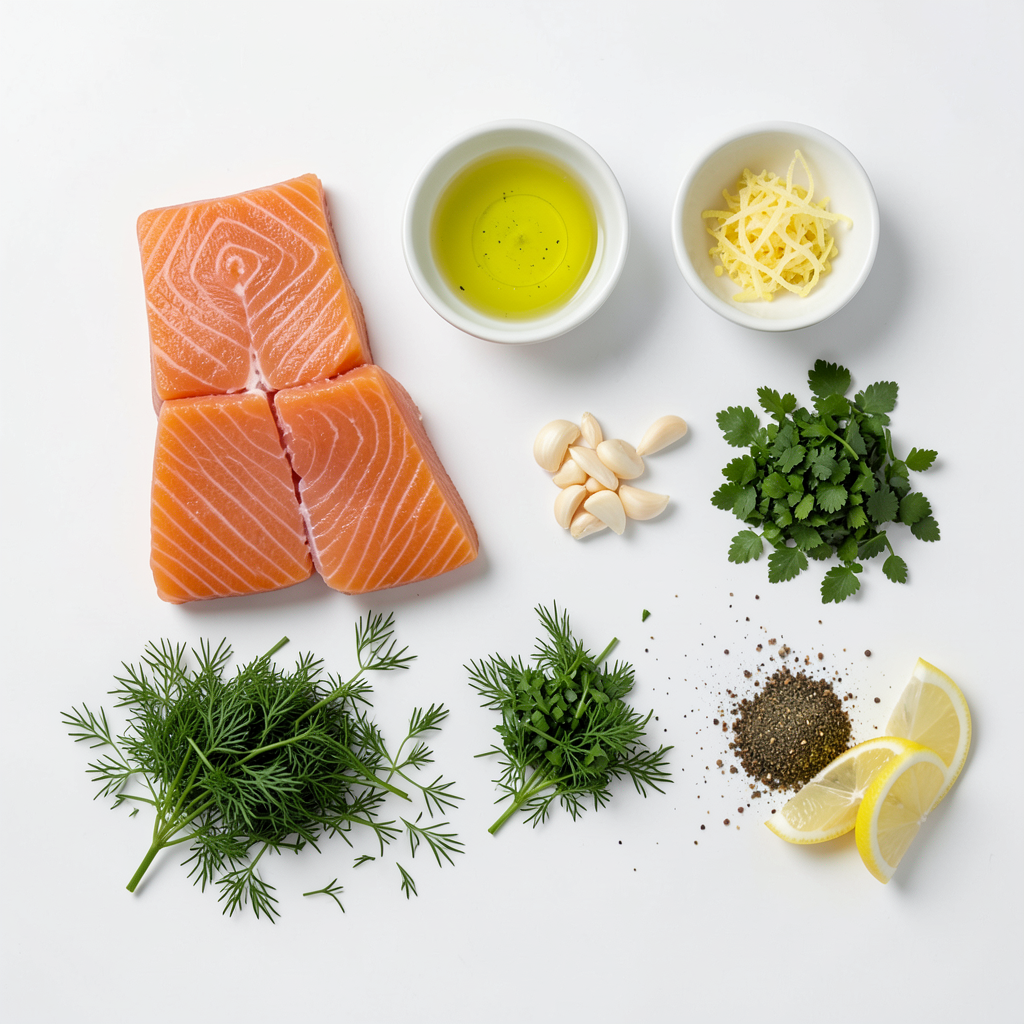
- 4 salmon fillets (6 oz each)
- 2 tablespoons olive oil
- Zest and juice of 1 lemon
- 3 cloves garlic, minced
- 1 tablespoon fresh dill, chopped
- 1 tablespoon fresh parsley, chopped
- 1 teaspoon dried oregano
- Salt and pepper to taste
- Lemon slices, for garnish
- Fresh herbs, for garnish (optional)
These ingredients create a bright and zesty flavor profile. The salmon fillets are the star, providing a rich, tasty base. Olive oil helps to keep the fish moist while adding smooth flavor. The lemon zest and juice bring a fresh, tangy taste. Garlic adds depth, while dill and parsley provide herbaceous notes. Dried oregano rounds out the mix with a hint of earthiness.
Use salt and pepper to enhance all these flavors. For garnish, lemon slices and fresh herbs make your dish look amazing. This recipe is simple yet delivers a gourmet experience right from your kitchen.
Step-by-Step Instructions
Preparing the Marinade
To start, you need to whisk the marinade. In a small bowl, mix together the olive oil, lemon zest, lemon juice, minced garlic, dill, parsley, oregano, salt, and pepper. Whisk until all the ingredients blend well. This step is key. The marinade adds great taste to the salmon. Letting the salmon sit in this mix helps the flavors soak in.
Baking the Salmon
First, preheat your oven to 400°F (200°C). Next, place the salmon fillets skin-side down on a baking sheet. You should line this sheet with parchment paper for easy cleanup. Now, brush the marinade generously over each fillet. Make sure they are well coated for the best flavor. Let the salmon marinate for 15-20 minutes. This waiting time makes a big difference in taste. After that, bake the salmon in your preheated oven. Cook it for 12-15 minutes. You’ll know it’s done when it flakes easily with a fork. The internal temperature should reach 145°F (63°C).
Serving Suggestions
Once baked, remove the salmon from the oven. Let it rest for about 2 minutes. This helps keep the fish juicy. For a nice touch, garnish with lemon slices and some fresh herbs if you want. You can pair the salmon with roasted veggies or a fresh salad. This dish is simple yet full of flavor, making it a perfect meal for any night.
Tips & Tricks
Achieving Flaky Salmon
To get flaky salmon, watch your cooking times closely. Bake the salmon for 12-15 minutes at 400°F. The fish is done when it flakes easily with a fork. Check the internal temperature too; it should hit 145°F for safety.
Marinating Techniques
Marinating salmon is key for flavor. I recommend letting it sit for 15-20 minutes. This time allows the herbs and lemon to soak in deeply. You can even marinate it longer for more intense flavors, but don’t go over 2 hours.
Using Fresh vs. Dried Herbs
Fresh herbs bring a bright taste to your dish. They add a pop of color and flavor. If you use dried herbs, remember they are stronger. Use about one-third of the amount. So, if a recipe calls for 1 tablespoon of fresh, use 1 teaspoon of dried.
Pro Tips
- Fresh Herbs Matter: Using fresh herbs like dill and parsley will elevate the flavor of your salmon. If possible, opt for fresh over dried for a more vibrant taste.
- Marinate for More Flavor: Allowing the salmon to marinate for at least 15-20 minutes lets the flavors meld and penetrate the fish for a tastier dish.
- Check for Doneness: To ensure your salmon is perfectly cooked, use a fork to check if it flakes easily and confirm the internal temperature reaches 145°F (63°C).
- Serving Presentation: Garnish with lemon slices and extra fresh herbs right before serving for a beautiful presentation that enhances the dish's appeal.
Variations
Flavor Enhancements
You can spice up your lemon herb roasted salmon in simple ways. Adding chili flakes gives a kick. Just a pinch can change the dish. For a fresh taste, try different herbs. Basil or cilantro can work well. They add unique flavors that pair great with salmon.
Side Dish Pairings
When serving salmon, think about veggies. Roasted asparagus or green beans are great choices. They add color and nutrition to your meal. You can also serve salmon with grains. Quinoa or rice are nice options. They soak up the lemony sauce, making each bite delicious.
Cooking Methods
There are different ways to cook salmon. You can grill or roast it. Grilling gives a smoky taste, while roasting keeps it moist. If you want a crispy finish, try broiling. Broiling cooks the top quickly. It creates a nice crust while keeping the inside tender.
Storage Info
Refrigerator Storage
You can keep leftover Lemon Herb Roasted Salmon in the fridge for up to 3 days. Make sure to store it in an airtight container. This keeps the fish fresh and prevents strong smells from mixing with other foods.
When you want to reheat it, try using the oven. Preheat the oven to 350°F (175°C). Place the salmon on a baking sheet and cover it with foil. Heat for about 10 minutes or until warmed through. This keeps the salmon moist and tasty.
Freezing the Salmon
To freeze salmon, wrap each fillet tightly in plastic wrap, then in aluminum foil. This prevents freezer burn. You can also use a freezer-safe bag. Remove as much air as you can before sealing.
Thaw the salmon in the fridge overnight before cooking. This method helps keep the texture nice. You can also put it in a sealed bag and soak it in cold water for quicker thawing. Just be careful not to cook it while thawing!
FAQs
How to know when salmon is done?
You can tell if salmon is done by looking for a few signs. The salmon should look opaque and flake easily with a fork. The flesh should change from a bright pink to a pale pink. The ideal internal temperature for safety is 145°F (63°C). Use a meat thermometer to check this. If you don’t have one, just remember, if it flakes easily, it’s likely done!
Can I use frozen salmon for this recipe?
Yes, you can use frozen salmon. Just make sure to thaw it first. The best way to thaw salmon is in the fridge overnight. If you are short on time, you can thaw it in cold water for about an hour. Avoid using hot water, as it can cook the fish unevenly. Once thawed, you can follow the recipe just like you would with fresh salmon.
What to do if I don't have fresh herbs?
If you don’t have fresh herbs, don’t worry! You can use dried herbs as a substitute. For every tablespoon of fresh herbs, use about one teaspoon of dried herbs. This way, you get a good flavor without fresh herbs. Feel free to mix and match dried herbs like basil or thyme for a unique taste.
In this article, you learned how to make delicious baked salmon. We covered ingredients like salmon fillets, olive oil, and herbs. You saw the step-by-step process from marinating to baking. Tips on achieving flaky salmon and using fresh herbs helped you improve flavor. We explored variations to spice up your dish and pair it with sides. Remember, proper storage keeps your salmon fresh longer. Enjoy making this easy dish, and feel free to experiment. Your kitchen can be a place for tasty, healthy meals every time.