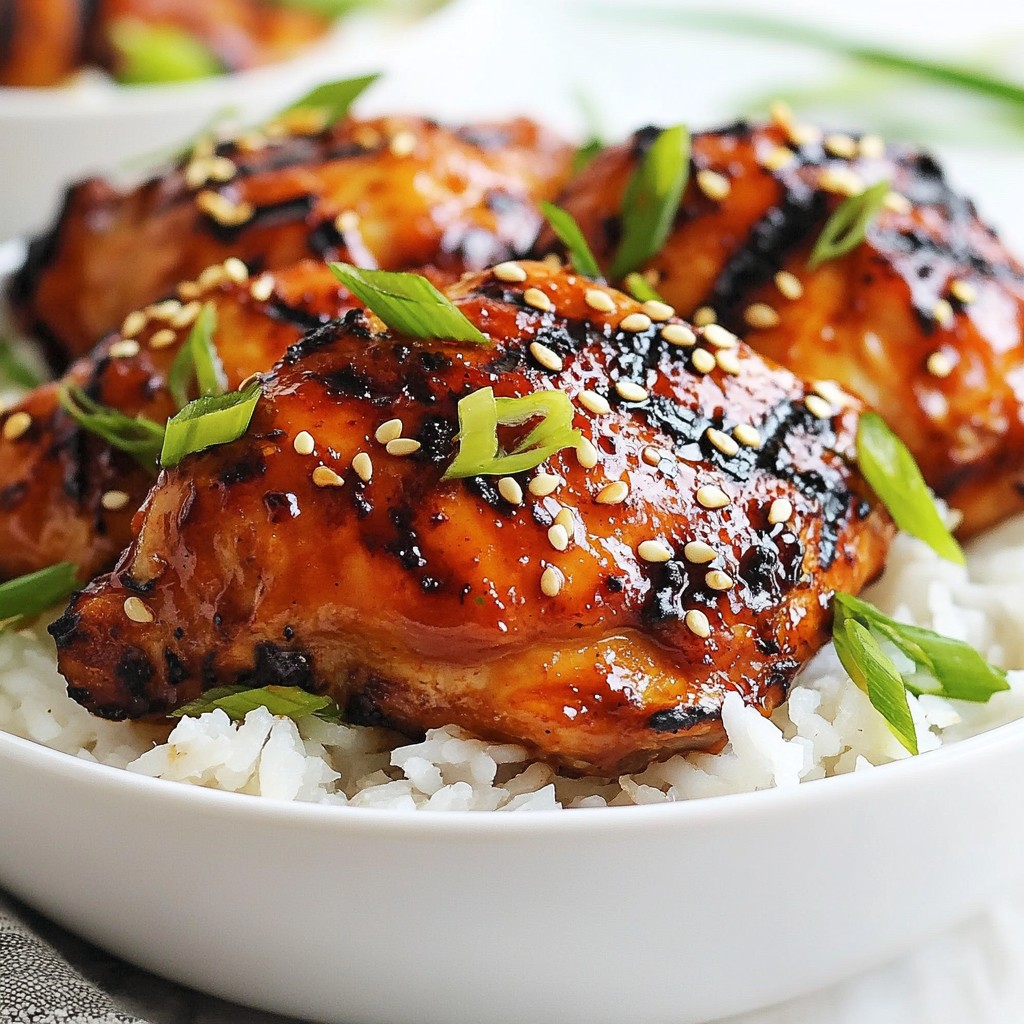
Looking for a dinner that packs a punch? My Spicy Korean Gochujang Chicken is just what you need! This dish combines bold flavors with simple ingredients, making it perfect for any night of the week. Whether you're a spice lover or trying new meals, you’ll find something to enjoy here. Read on to discover the secret to creating this flavorful delight that will leave everyone asking for more!
Why I Love This Recipe
- Bold Flavors: This recipe features the unique and bold flavors of gochujang, which brings a delightful heat and depth to the chicken.
- Quick and Easy: With minimal prep time and simple ingredients, this dish can be on your table in under an hour, making it perfect for busy weeknights.
- Versatile Serving: Pair this spicy chicken with jasmine rice, or serve it with pickled vegetables or a fresh salad for a balanced meal.
- Family-Friendly: The sweet and spicy balance of flavors appeals to both adults and kids, making it a hit for the whole family.
Ingredients
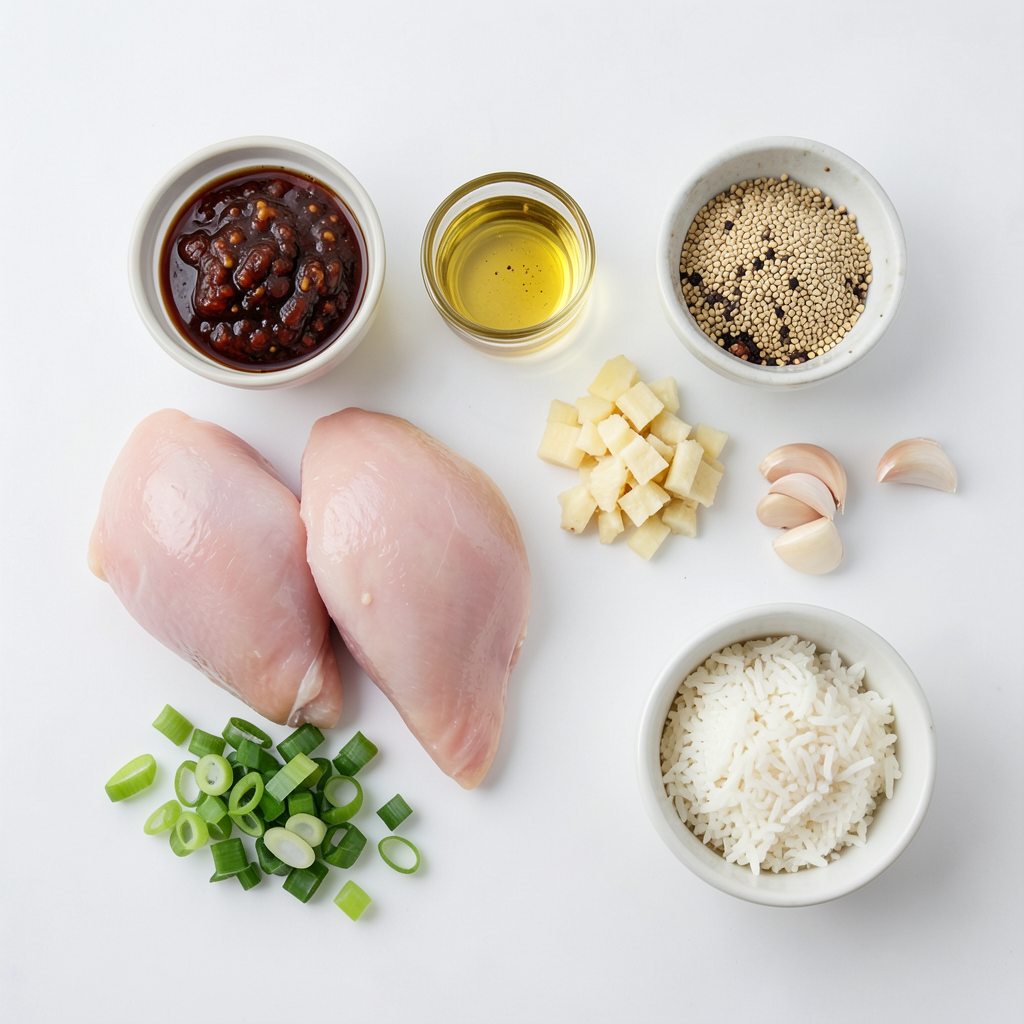
Main Ingredients for Spicy Korean Gochujang Chicken
To make Spicy Korean Gochujang Chicken, you will need the following main ingredients:
- 1 lb chicken thighs, boneless and skinless
- 3 tablespoons gochujang (Korean chili paste)
- 2 tablespoons soy sauce
- 1 tablespoon sesame oil
- 1 tablespoon honey or maple syrup
- 2 cloves garlic, minced
- 1 teaspoon fresh ginger, minced
- 1 tablespoon rice vinegar
- 1 tablespoon sesame seeds
These ingredients create a bold and tasty marinade. The gochujang gives a spicy kick. The honey or maple syrup balances this with sweetness.
Optional Ingredients for Serving
You can enhance your dish with these optional ingredients:
- 2 green onions, sliced (for garnish)
- Cooked jasmine rice (for serving)
The green onions add a fresh crunch. The jasmine rice makes a great base for the chicken. Serve with pickled veggies or a cucumber salad, too.
Cooking Tools Needed
Here are the tools you will need for this recipe:
- Medium bowl for mixing the marinade
- Large resealable plastic bag or shallow dish for marinating
- Grill or skillet for cooking the chicken
- Tongs for flipping the chicken
- Knife and cutting board for slicing the chicken
Having the right tools makes cooking easier. This way, you can focus on making your meal tasty and enjoyable.
Step-by-Step Instructions
Preparing the Marinade
Start by making the marinade. In a medium bowl, whisk together these ingredients:
- 3 tablespoons gochujang
- 2 tablespoons soy sauce
- 1 tablespoon sesame oil
- 1 tablespoon honey or maple syrup
- 2 cloves garlic, minced
- 1 teaspoon fresh ginger, minced
- 1 tablespoon rice vinegar
Mix until everything blends well. This marinade packs a spicy punch that makes the chicken amazing.
Marinating the Chicken
Next, place your chicken thighs in a large resealable bag or a shallow dish. Pour the marinade over the chicken. Make sure every piece is coated well. Seal the bag or cover the dish with plastic wrap. Let the chicken sit in the fridge for at least 30 minutes. For a deeper flavor, marinate for up to 2 hours.
Cooking Methods: Grill vs. Skillet
Now, it’s time to cook! Preheat your grill or skillet on medium-high heat. If you use a skillet, add a drizzle of oil to keep the chicken from sticking.
Remove the chicken from the marinade, letting any excess drip off. Cook the chicken for about 5-7 minutes on each side. You want it charred and cooked through. The internal temperature should reach 165°F or 75°C.
Once done, take the chicken off the heat. Let it rest for a few minutes before slicing it into strips. Serve it over jasmine rice, sprinkle with sesame seeds, and garnish with sliced green onions. Enjoy your delicious meal!
Tips & Tricks
Achieving the Perfect Char
To get that nice char on your chicken, the heat must be high. Preheat your grill or skillet to medium-high. This heat helps create a crisp crust while keeping the inside juicy. Make sure to let the chicken rest before you cut it. This helps keep the juices inside.
Flavor Enhancements
Want to boost the flavor? Try adding more ingredients to your marinade. You can include lime juice or a splash of orange juice for a fruity twist. For more depth, try adding a touch of smoked paprika or a dash of cayenne pepper. These will add a different layer to your dish.
Marination Time Recommendations
Marination is key for flavor. For the best results, marinate the chicken for at least 30 minutes. If you have more time, let it sit for up to 2 hours. The longer it marinates, the more it will soak up those tasty flavors.
By following these tips, you will make your Spicy Korean Gochujang Chicken even better. Enjoy cooking!
Pro Tips
- Marinate Longer for More Flavor: For the best flavor, marinate the chicken for at least 2 hours or even overnight if you have the time.
- Adjust Spice Level: If you prefer a milder dish, reduce the amount of gochujang or mix it with some plain chili paste.
- Use a Meat Thermometer: To ensure your chicken is perfectly cooked, use a meat thermometer to check that it reaches an internal temperature of 165°F (75°C).
- Rest Before Slicing: Allow the chicken to rest for a few minutes after cooking; this helps retain its juices for a more tender bite.
Variations
Substituting Proteins
You can easily swap chicken thighs for other meats. Try chicken breasts for a leaner option. Pork or beef also works great with this marinade. Each meat brings a different flavor and texture. Just make sure to adjust the cooking time. Thinner cuts will cook faster, while thicker ones need more time.
Vegetarian Alternatives
If you want a vegetarian dish, use tofu or tempeh. Both absorb flavors well and are great at grilling. For a heartier option, use mushrooms like portobello. They add a great taste and texture. Make sure to marinate them just like the chicken for the best flavor.
Spiciness Adjustments
To control the heat, you can adjust the gochujang. Use less if you prefer a milder taste. Adding honey or maple syrup can also cut the spice a bit. If you want more heat, add extra gochujang or some chili flakes. Always taste as you go to find your perfect balance!
Storage Info
Storing Leftovers
After enjoying your spicy Korean gochujang chicken, you might have leftovers. Keep them safe in the fridge. Place the chicken in an airtight container. It will stay fresh for up to three days. Make sure it cools down before sealing it. This helps prevent moisture build-up inside the container.
Reheating Instructions
When you are ready to enjoy your leftovers, reheating is easy. You can use the microwave or the stove. For the microwave, place the chicken on a plate. Heat it for 1-2 minutes on medium power. Check to see if it is hot enough. If using the stove, add a bit of oil to a pan. Heat it over medium heat, then add the chicken. Stir it until warmed through.
Freezing Tips for Meal Prep
If you want to save some for later, freezing works well too. Start by letting the chicken cool completely. Then, place it in a freezer-safe bag. Squeeze out as much air as you can before sealing. Label the bag with the date. You can freeze it for up to three months. When you are ready to eat it, thaw it in the fridge overnight before reheating.
FAQs
What is Gochujang?
Gochujang is a Korean chili paste. It has a rich, spicy, and slightly sweet flavor. The main ingredients are chili powder, glutinous rice, fermented soybeans, and salt. This paste adds depth to many dishes. It is key in Korean cooking. You can find it in Asian markets or online.
How can I adjust the spice level?
You can easily adjust the spice level in your dish. If you want less heat, use less gochujang. You can also mix in some honey or sugar to balance the spice. For more heat, add extra gochujang or a dash of hot sauce. Always taste as you go. This way, you can create a flavor that suits you.
Can I use chicken breast instead of thighs?
Yes, you can use chicken breast instead of thighs. Keep in mind that chicken breasts are leaner. They may dry out faster. To keep them juicy, do not overcook them. Cook until the internal temperature reaches 165°F (75°C). The marinade will still add great flavor, so it will be delicious!
In this post, we explored making Spicy Korean Gochujang Chicken, from key ingredients to cooking methods like grilling and skillet options. We discussed tips for the perfect char and how to enhance flavors. Also, variations and storage tips were shared for meal prep. Remember, this dish is versatile with options for different proteins or spice levels. Enjoy your cooking journey and impress your taste buds with every bite!