
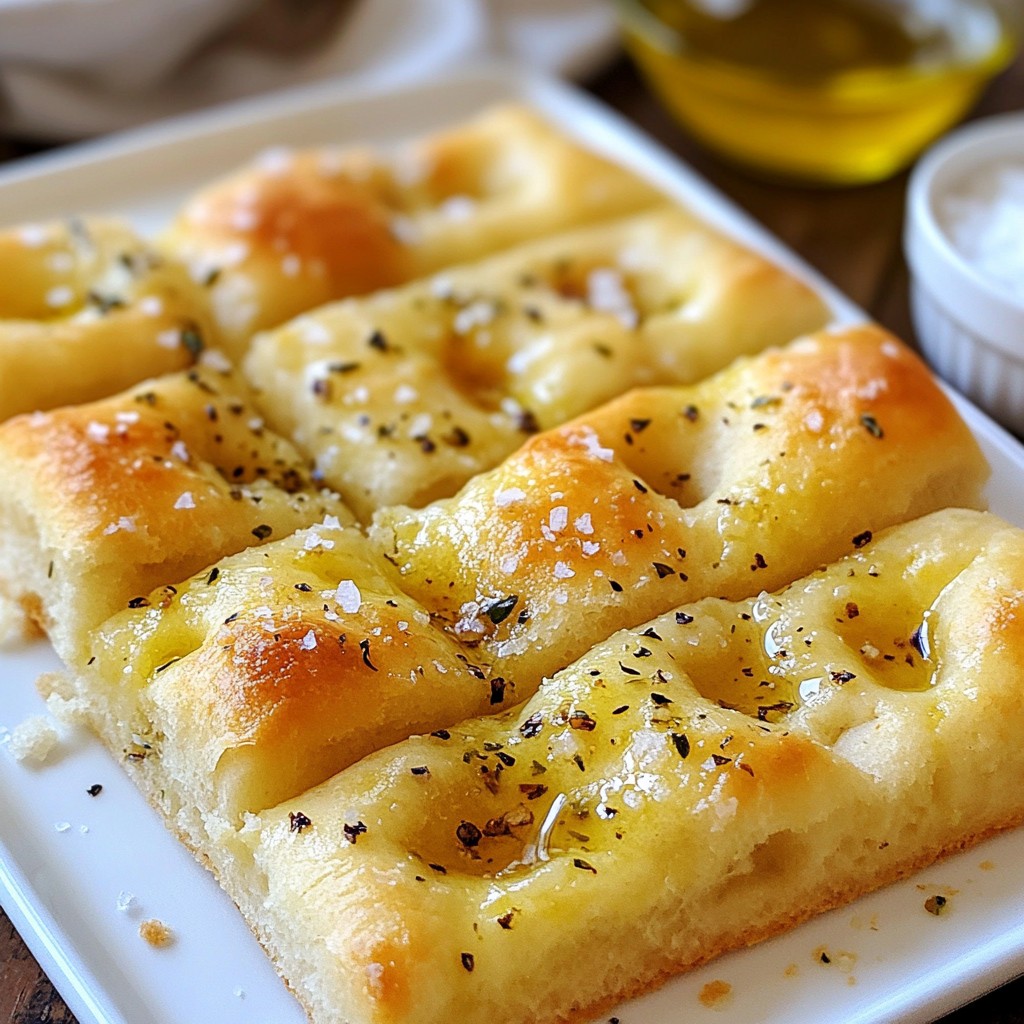
Are you ready to fill your kitchen with the warm scent of garlic and herbs? This Garlic Herb Focaccia Bread is not just tasty; it's simple to make! I'll guide you through every step, from mixing the dough to baking the perfect loaf. Whether you're a beginner or an experienced baker, this recipe will elevate your bread game. Let's dive into the ingredients and create a delicious focaccia together!
Why I Love This Recipe
- Easy to Make: This focaccia bread recipe is straightforward and requires minimal kneading, making it perfect for bakers of all levels.
- Flavorful Toppings: The combination of garlic, oregano, and rosemary creates a delightful aroma and taste that elevates the bread.
- Versatile Use: Focaccia can be served as a side, used for sandwiches, or enjoyed on its own with olive oil for dipping.
- Perfect Texture: This recipe yields a soft, airy interior with a beautifully crispy crust, making each bite irresistible.
Ingredients
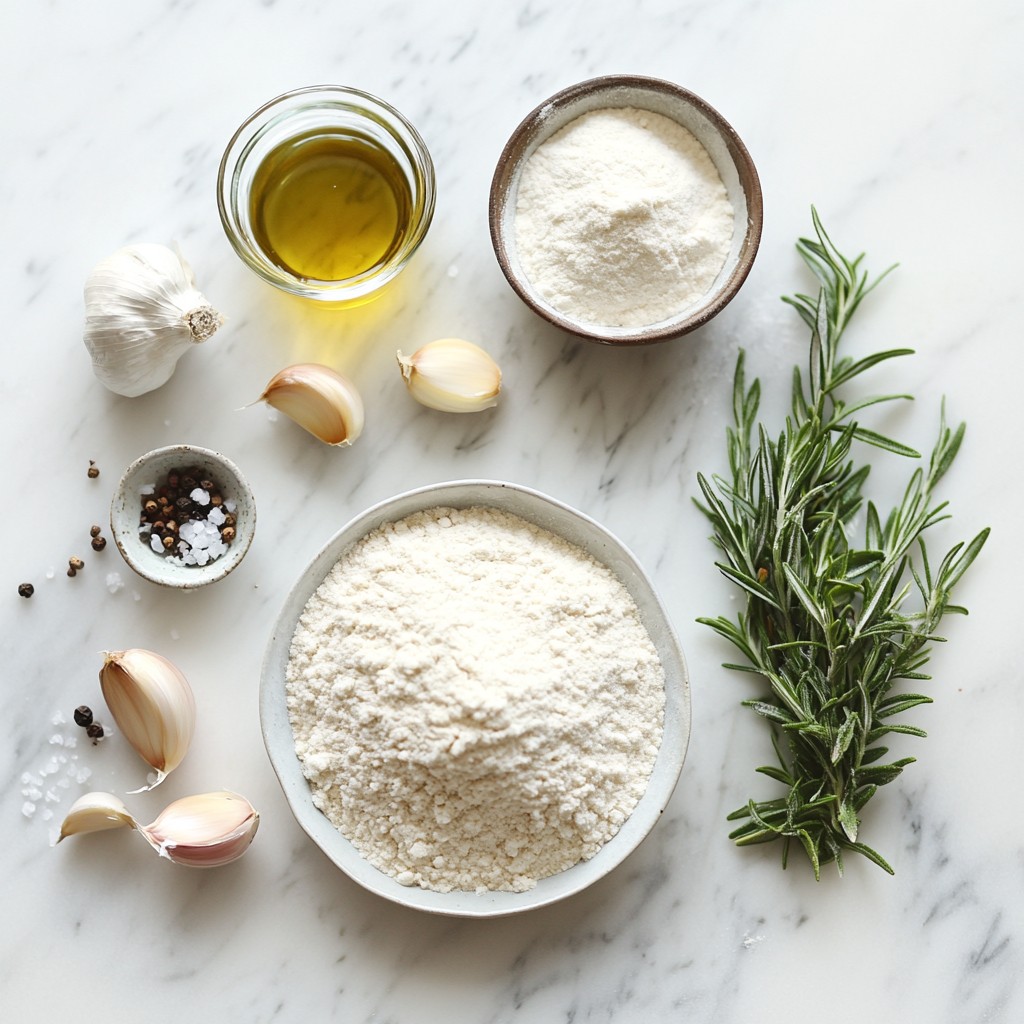
List of Ingredients
- 4 cups all-purpose flour
- 2 teaspoons instant yeast
- 1 teaspoon sugar
- 1 teaspoon salt
- 1 ½ cups warm water (about 110°F)
- ½ cup olive oil, divided
- 6 cloves garlic, minced
- 2 teaspoons dried oregano
- 2 teaspoons dried rosemary
- 1 teaspoon sea salt (for topping)
- Freshly cracked black pepper (to taste)
- Optional: Fresh rosemary for garnish
Key Ingredient Notes
All-purpose flour is great for this focaccia. It gives the bread a soft and chewy texture. Instant yeast helps the dough rise quickly. Warm water activates the yeast, making it bubbly and alive. Olive oil adds moisture and flavor, while garlic brings a robust taste. Dried herbs, like oregano and rosemary, add depth to the flavor.
Optional Ingredients
You can add fresh rosemary on top for a lovely look and taste. Other herbs, like thyme or basil, can also work well. For extra flavor, consider adding olives, sun-dried tomatoes, or cheese. These options can make your focaccia even more special.
Step-by-Step Instructions
Preparation of the Dough
To start, grab a large mixing bowl. Combine 1 ½ cups of warm water, 1 teaspoon of sugar, and 2 teaspoons of instant yeast. Let this sit for about 5 minutes. You want it to look frothy. This shows the yeast is active. Then, add 4 cups of all-purpose flour and 1 teaspoon of salt. Stir until the dough looks shaggy.
Next, pour in ¼ cup of olive oil. Mix until the oil is fully blended. The dough should feel sticky, but you can handle it. Knead the dough in the bowl for about 5 minutes. If you prefer, use a stand mixer on low speed for 2-3 minutes. The goal is to make the dough smooth and elastic.
Shaping and Rising the Dough
Now, take a large bowl and coat it with 1 tablespoon of olive oil. Put the dough in this bowl and turn it to coat with oil. Cover the bowl with a damp cloth or plastic wrap. Place it in a warm spot for 1 hour. You want the dough to double in size.
After it rises, gently punch the dough down. Move it to a greased baking sheet. With your fingers, stretch it into a rectangle about 1 inch thick. Cover it again and let it rise for another 20-30 minutes. During this time, preheat your oven to 425°F (220°C).
Baking the Focaccia Bread
While the dough rises, mix 6 minced garlic cloves, 2 teaspoons of dried oregano, and 2 teaspoons of dried rosemary with the remaining olive oil in a small bowl. Stir this well to blend the flavors.
Once the dough has risen, use your fingers to make dimples all over the surface. Drizzle the garlic herb oil over the dough, letting some drip into the dimples. Sprinkle sea salt and freshly cracked black pepper on top. You can add fresh rosemary if you wish.
Bake the focaccia in the preheated oven for 20-25 minutes. You want it to turn golden brown. After baking, remove it from the oven. Let it cool slightly on a wire rack before slicing. Enjoy the warm, savory goodness!
Tips & Tricks
How to Achieve the Perfect Texture
To get that perfect texture in your focaccia, focus on kneading. Knead the dough for about five minutes. It should feel smooth and soft. If it’s too sticky, add a little flour. The dough should hold together but not be dry. Letting it rise in a warm spot helps it get fluffy.
Common Mistakes to Avoid
One common mistake is not letting the dough rise enough. Make sure it doubles in size. Another mistake is adding too much flour. This can make the bread dense instead of light. Be careful when making dimples; don’t press too hard. You want to make small pockets for the oil.
Suggestions for Enhancing Flavor
To boost the flavor, use fresh herbs when you can. Fresh rosemary adds a lovely touch. You can also mix in some grated Parmesan cheese for a cheesy kick. Try adding olives or sun-dried tomatoes for a twist. A sprinkle of sea salt on top gives a nice crunch and flavor burst.
Pro Tips
- Use Fresh Ingredients: Fresh garlic and high-quality olive oil will enhance the flavor of your focaccia, making it more aromatic and delicious.
- Experiment with Toppings: Feel free to add other toppings like cherry tomatoes, olives, or cheese before baking for a unique twist on classic focaccia.
- Perfecting the Texture: For a crispier crust, place a small oven-safe dish filled with water in the oven while baking. The steam will create a beautiful texture.
- Store Properly: To keep your focaccia fresh, store it in an airtight container at room temperature for up to 3 days, or freeze for longer storage.
Variations
Different Herb Combinations
You can change the herbs in your focaccia to match your taste. Instead of using dried oregano and rosemary, try basil or thyme. These herbs give your bread a new flavor. Mix fresh herbs into the dough for a bright taste. You can also try spice blends like Italian seasoning for a twist. The key is to choose herbs you love. Don’t be afraid to experiment!
Adding Toppings and Fillings
You can make your focaccia even more special with toppings. Add sliced olives, cherry tomatoes, or caramelized onions for a savory kick. Cheese like feta or mozzarella melts beautifully on top. If you want a sweet version, try adding honey or figs. Just remember to keep the toppings light. Too many can make the bread soggy.
Alternative Dough Recipes
If you're looking for different textures, try other dough recipes. For a gluten-free option, use almond or chickpea flour. You can also try adding yogurt or sour cream for a richer taste. A whole wheat dough gives a nutty flavor and more nutrients. Each variation brings a unique twist to your focaccia. Don’t hesitate to try them out!
Storage Information
How to Store Leftover Focaccia
To keep your focaccia fresh, wrap it in plastic wrap or foil. This helps prevent it from drying out. Store it in a cool, dark place like the pantry. If you want to keep it longer, put it in the fridge. It will stay good for about 3 days this way.
Freezing Instructions
If you have extra focaccia, freezing is a great option. First, let it cool completely. Then, wrap it tightly in plastic wrap. After that, place it in a freezer bag. Make sure to squeeze out as much air as you can. You can freeze focaccia for up to 3 months.
Reheating Tips
When you're ready to enjoy your focaccia again, preheat your oven to 350°F (175°C). Unwrap the bread and place it directly on the oven rack. Heat for about 10-15 minutes until warm. If you want a crispier crust, you can bake it a bit longer. Enjoy it fresh, just like the first time!
FAQs
How long does it take to make focaccia bread?
It takes about 1 hour and 50 minutes to make focaccia bread. This includes time for mixing, rising, and baking. You spend 20 minutes prepping the dough and 1 hour letting it rise. After that, baking it takes around 20 to 25 minutes.
Can I use bread flour instead of all-purpose flour?
Yes, you can use bread flour instead of all-purpose flour. Bread flour has more protein, which helps create a chewier texture. This can make your focaccia even more delicious. Just remember that the dough might feel a bit different.
What’s the best way to serve focaccia bread?
Serve focaccia bread warm for the best taste. Cut it into squares or strips. Place it on a wooden board with a bowl of olive oil for dipping. You can also add fresh herbs on top for a lovely look. Enjoy it with soups, salads, or as a snack.
In this post, we covered the key ingredients for focaccia, from dough preparation to baking. We shared tips for the perfect texture and ways to add flavor. We explored various variations, storage methods, and answered common questions.
Making focaccia can be simple and fun. You can enjoy it fresh or experiment with different flavors. Remember, each step adds to your bread's taste and texture. Happy baking!