Go Back
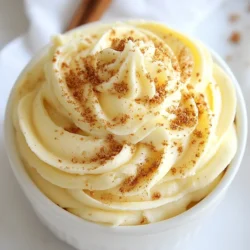
To make this tasty gingerbread buttercream frosting, you need: - 1 cup unsalted butter, softened - 4 cups powdered sugar - 1/2 cup molasses - 1 teaspoon ground ginger - 1 teaspoon ground cinnamon - 1/2 teaspoon ground nutmeg - 1/4 teaspoon allspice - 1/2 teaspoon vanilla extract - 2-3 tablespoons heavy cream (or milk for a lighter version) - Pinch of salt These ingredients create a rich and creamy frosting with warm spice flavors. You will need a few simple tools to make this frosting: - Large mixing bowl - Electric mixer (handheld or stand) - Measuring cups and spoons - Spatula for scraping down the bowl - Piping bag and tip (optional for decoration) These tools help mix everything quickly and easily. If you don’t have unsalted butter, you can use salted butter. Just skip the pinch of salt. For a lighter version, swap heavy cream with milk. If you lack molasses, honey or maple syrup may work, though the flavor will change. For gluten-free options, ensure your powdered sugar is gluten-free. {{ingredient_image_1}} Start with one cup of unsalted butter. Make sure it is soft. Place it in a large mixing bowl. Beat the butter on medium speed for about two minutes. It should become creamy and smooth. This step is key to a rich frosting. Next, add four cups of powdered sugar. Do this slowly, beating well after each addition. This helps mix everything nicely. After the sugar, pour in half a cup of molasses. Keep beating until the frosting is smooth and fluffy. This adds that classic gingerbread flavor. Now it’s time to add the spices. Put in one teaspoon of ground ginger, one teaspoon of ground cinnamon, half a teaspoon of nutmeg, and a quarter teaspoon of allspice. Don’t forget half a teaspoon of vanilla extract and a pinch of salt. Mix until all the spices are blended. If the frosting is thick, add two to three tablespoons of heavy cream or milk. Add it one tablespoon at a time. Beat on high for one to two minutes. You want it light and airy. This is how you get that perfect gingerbread buttercream texture. To get the best texture for your frosting, start with softened butter. Beat the butter for about two minutes. It should be creamy and light. Then, add in the powdered sugar slowly. This helps avoid a grainy feel. If your frosting feels too thick, add heavy cream a little at a time. Mix until it’s fluffy and smooth. Gingerbread is all about warm spices. Use fresh spices for the best taste. Ground ginger, cinnamon, nutmeg, and allspice should be in your mix. Don’t forget the molasses! It gives that rich flavor. A pinch of salt balances the sweetness. You can also add a bit more vanilla for depth. Taste as you mix to find your perfect flavor. One mistake is not softening the butter enough. Cold butter won’t mix well and makes lumps. Another error is adding sugar too fast. This can create a mess and a gritty texture. Avoid skipping the tasting step. You want to ensure the flavors are just right. Lastly, don’t rush mixing. Take time to beat the frosting until it’s light and airy. Pro Tips Room Temperature Butter: Ensure your butter is softened to room temperature for a smooth and creamy frosting. Gradual Sugar Addition: Add powdered sugar gradually to prevent a cloud of sugar and achieve a silky texture. Spice Adjustments: Feel free to adjust the spices according to your taste preferences; add more ginger for a spicier kick! Storage Tips: Store leftover frosting in an airtight container in the fridge; re-whip before using for the best consistency. {{image_2}} You can switch up the flavors in your gingerbread buttercream. Try adding orange zest for a fresh kick. A little cocoa powder can give it a chocolate twist. If you like nuts, finely chopped pecans can add a nice crunch. You can also replace some molasses with maple syrup for a different taste. Just remember, any change may alter the final look and flavor. If you want a dairy-free frosting, use vegan butter instead of regular butter. You can also swap heavy cream for coconut cream. This gives the frosting a rich taste without dairy. Ensure the powdered sugar is free from any dairy additives for a truly dairy-free treat. To cut down on sweetness, reduce the sugar by one cup. You can also add more spices. Increase the ginger or cinnamon for a stronger flavor. If you want a spicy kick, try adding a pinch of cayenne pepper. Taste as you go, so you get just the right balance for your liking. Store your Gingerbread Buttercream Frosting in an airtight container. This keeps it fresh and tasty. Place it in the fridge if you do not use it right away. The cool air helps maintain the flavor and texture. If your frosted cakes or cupcakes need a boost, simply rewhip the frosting. Use a mixer on low speed for a few seconds. This will bring back the fluffy texture. You can also add a splash of heavy cream if it feels too stiff. Your frosting can last up to one week in the fridge. If you want to store it longer, freezing is a great option. Place the frosting in a freezer-safe container. It can last for up to three months in the freezer. When you want to use it, let it thaw in the fridge overnight. Rewhip it for the best texture before using. Yes, you can use salted butter. It will add a nice depth to the flavor. Just remember to skip the pinch of salt in the recipe. The salted butter will balance the sweetness of the frosting. However, unsalted butter is best for control over the saltiness. This helps keep the spices and sweetness in harmony. This frosting works great for cakes, cupcakes, and cookies. You can spread it with a knife or pipe it on with a bag. For a fun touch, use a star tip to create beautiful designs. You can also sprinkle cinnamon or gingerbread crumbs on top for added flair. It makes any dessert festive and tasty. To adjust the recipe, you can easily scale it up or down. If you need more frosting, double the ingredients. For fewer servings, cut the amounts in half. Each cup of frosting typically covers 12 cupcakes or one layer of cake. Make sure to keep the same ratios for the best flavor and texture. In this guide, we covered how to make Gingerbread Buttercream Frosting. We looked at essential ingredients, helpful equipment, and smart substitution tips. You learned step-by-step instructions for mixing and achieving the right texture. I shared tips for enhancing flavor and avoiding common mistakes. You also discovered variations and storage info. Now, you're ready to make this tasty frosting. Enjoy experimenting with flavors and impressing your friends or family. Happy baking!

Gingerbread Buttercream Frosting

A festive and flavorful buttercream frosting perfect for holiday treats.
Prep Time 10 minutes
Total Time 10 minutes
Course Dessert
Cuisine American
Servings 12
Calories 150 kcal

Ingredients
  

  • 1 cup unsalted butter, softened
  • 4 cups powdered sugar
  • 1 2 molasses
  • 1 teaspoon ground ginger
  • 1 teaspoon ground cinnamon
  • 1 2 ground nutmeg
  • 1 4 allspice
  • 1 2 vanilla extract
  • 2 tablespoons heavy cream (or milk for a lighter version)
  • 1 pinch salt

Instructions
 

  • In a large mixing bowl, beat the softened butter on medium speed until creamy, about 2 minutes.
  • Gradually add the powdered sugar, beating well after each addition until fully combined.
  • Pour in the molasses, and continue to beat until the mixture is smooth and fluffy.
  • Add the ground ginger, cinnamon, nutmeg, allspice, vanilla extract, and a pinch of salt; mix until thoroughly incorporated.
  • If the frosting is too thick, add heavy cream (or milk) one tablespoon at a time until you reach your desired consistency.
  • Beat the frosting on high for an additional 1-2 minutes until light and airy.
  • Use immediately to frost cakes, cupcakes, or cookies, or store in an airtight container in the refrigerator for up to one week.

Notes

Pipe the frosting onto cupcakes using a star tip for a beautiful finish, and sprinkle with cinnamon or gingerbread crumbs for added texture and flavor.
Keyword buttercream, frosting, gingerbread, holiday